

The Next Generation: Exploring the Latest Trends in Tech Products
Imagine walking into a room where your lights dim just as you sit down, your phone suggests a playlist based on your mood, and your watch reminds you to stretch after a long day. Tech products today blend into our lives like old friends. They predict needs, save energy, and even help the planet. In this article, we’ll dive into key shifts shaping these gadgets. From smart AI helpers to eco-friendly designs, you’ll see how fast things move. Get ready to spot what’s hot in 2025.
Data from recent studies shows 70% of users love these proactive tips. They cut down on manual tweaks. In homes, hubs like Google Nest learn family routines to adjust temps on the fly.
The Dominance of Ambient Computing and AI Integration
Tech now hides in plain sight, making life smoother without fanfare. Ambient computing lets devices work together quietly in the background. AI sits at the heart, turning basic tools into smart partners.


Context-Aware Personalization Engines
Your phone knows when you’re heading home and preps your coffee maker. These engines use your habits to act ahead of time. Smartwatches track heart rates and nudge you for breaks before stress builds.
Generative AI in Everyday Hardware
Large language models run right on your laptop, no cloud needed. This keeps things private and quick. On-device processing creates art from sketches or fixes code errors in seconds.
Apple’s latest iPhones edit photos with AI that understands context. Laptops from Dell generate reports from voice notes. Battery drain stays low thanks to efficient chips.
Users report faster workflows. A survey in late 2025 found 65% of pros rely on this for daily tasks. It’s like having a creative sidekick in your pocket.
The Rise of Spatial Computing Interfaces
Forget flat screens; now interact in 3D spaces. AR glasses overlay maps on real streets. MR headsets mix virtual meetings with your desk setup.
Meta’s Quest series leads with hand gestures for controls. Apple’s Vision Pro pushes spatial audio for immersive calls. These replace keyboards for some tasks.
Sales jumped 40% this year, per market reports. They help designers build models in air. What if your kitchen recipe floated above the counter?
Hardware Innovation: Form Factors and Power Efficiency
Devices shrink and bend without breaking. New materials let gadgets fold like paper. Power use drops, so batteries last longer on a single charge.
Flexible Displays and Foldable Form Factors Maturing
Foldables once creased badly, but hinges now last years. Samsung’s Galaxy Z series shows screens that resist scratches. Tablets turn into mini-laptops for travel.
Market share hit 15% in 2025. Users praise the big screen in a pocket size. Durability tests prove they handle drops better than before.
Picture a phone that unfolds to watch movies full-size. Laptops like Lenovo’s roll out for extra workspace. This flexibility changes how we carry tech.
Advancements in Chip Architecture and Power Density
Chips at 3nm pack more punch with less heat. Qualcomm’s Snapdragon boosts phone speeds by 30%. Laptops run heavy apps without fans roaring.
Efficiency means all-day use on one charge. Apple’s M4 chip sets the bar, cutting power draw by 20%. Gamers notice smoother play on thinner devices.
These nodes squeeze transistors tight. Result? Faster AI tasks on the go. Battery life stretches to two days for light users.
Miniaturization and Wearable Health Tech Convergence
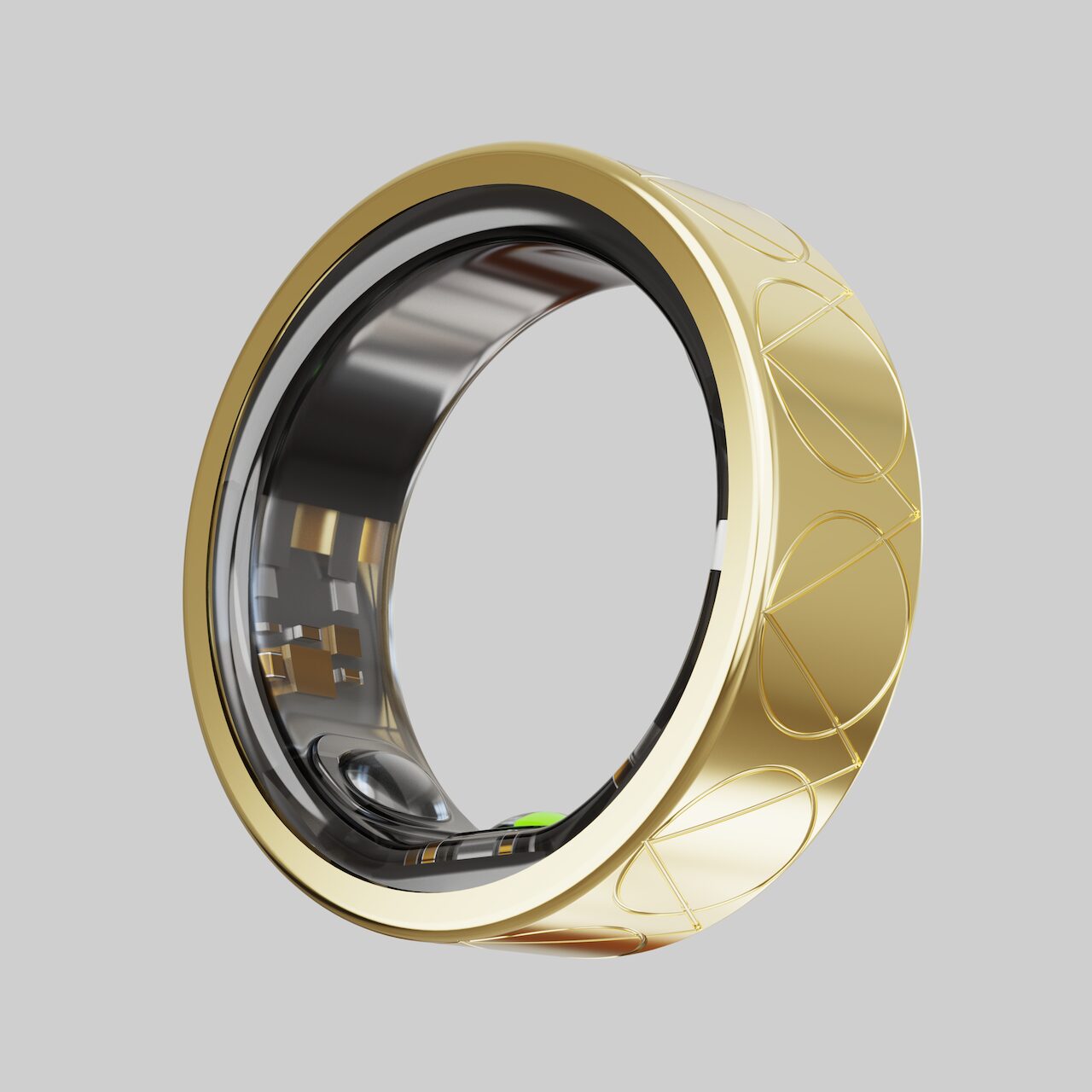
Sensors fit into rings thinner than a coin. Oura’s latest tracks blood oxygen without bulk. Patches monitor skin for allergies in real time.
Continuous glucose checks come to non-diabetics via Apple Watch. Sleep data now spots apnea early. Apparel like Levi’s smart jeans sense posture slumps.
A 2025 health report says 50 million wear these daily. They link to apps for doctor shares. It’s like a tiny clinic on your wrist.
Sustainability and Circularity: Ethical Tech Design
Buyers want gadgets that don’t trash the earth. Makers respond with designs for reuse. Longer life spans cut waste in landfills.
Modular Design and Right to Repair Momentum
Fairphone’s modules let you swap cameras easily. Google’s Pixel now offers back panel fixes. Laws in Europe push firms to share parts.
Consumers save money on upgrades. A study shows repairable phones last 25% longer. This fights planned obsolescence head-on.
You fix what breaks, not toss the whole thing. Brands like Framework laptops sell kits for DIY tweaks. Momentum builds as more join in.
Focus on Recycled Materials and Supply Chain Transparency
PCR plastics make up 50% of iPhone cases now. Tesla uses recycled cobalt in batteries. Firms track minerals from mine to store.
Samsung shares supplier audits online. This builds trust with eco-shoppers. Sales of green tech rose 25% this year.
It’s like recycling your old bottle into a new phone. Rare earths come from ethical spots. Transparency apps let you check origins.
Battery Longevity and Swapability Initiatives
Batteries hold 80% charge after three years in new EVs. Phones from OnePlus test for 1,500 cycles. Swappable packs work in some drones.
IoT devices use solar backups for endless power. Makers standardize sizes for easy swaps. This cuts e-waste by half, experts say.
Imagine popping in a fresh battery like AA’s. Portable chargers last weeks. Initiatives grow as green rules tighten.
Connectivity Redefined: Beyond 5G Speed
Links between gadgets speed up and smarten up. 5G paved the way; now low-power nets expand reach. Devices talk without draining juice.
Ubiquitous Low-Power Wide-Area Networks (LPWAN) for IoT
NB-IoT powers city sensors that sip energy. LoRaWAN tracks farm soil from miles away. These nets handle thousands of devices at once.
Smart meters read usage without wires. Power use drops 90% versus Wi-Fi. Cities save billions on maintenance.
It’s a web of quiet watchers. Farmers get crop alerts via satellite links. Growth hits 30% yearly in IoT installs.
Seamless Device Orchestration (Matter and Interoperability)
Matter standard lets Philips bulbs chat with Amazon echoes. No more brand silos in homes. Setup takes minutes, not hours.
Prioritize Matter tags for buys—they future-proof setups. Alexa and Google now sync lights across brands. Users cut frustration by 40%, polls show.
Your ecosystem hums without hitches. From thermostats to vacuums, all play nice. This unifies the smart house dream.
The Evolution of Satellite Connectivity in Consumer Devices
iPhones beam SOS texts from hikes. Garmin watches link to stars for off-grid maps. Low-bandwidth feeds weather to boats.
Starlink minis fit in backpacks for remote work. Emergency features saved 1,000 lives last year. Broader access comes to budget phones.
What if your rural cabin got internet from space? High-end Samsungs test global coverage. Connectivity gaps shrink fast.
Conclusion: Preparing for the Seamless Tech Future
Tech trends point to a world where gadgets anticipate your moves, save the planet, and connect effortlessly. We’ve seen AI weave into daily tools, hardware bend to fit lives, and green practices take hold. Connectivity ties it all without waste. Change races ahead—by next year, expect even tighter blends.
Key takeaways to keep in mind:
- Look for AI that acts on your patterns for real ease.
- Choose foldables and modular gear to match your style and last longer.
- Pick sustainable products with clear material stories.
- Go for Matter-certified devices to build a flexible smart setup.

Leave a Reply