If you’ve peeked at the tech landscape recently, you’ve likely noticed a shift. The once-dominant fitness tracker is undergoing a metamorphosis. According to the latest research data, interest in wearable technology isn’t just growing—it’s diversifying, moving away from bulky screens toward discreet, 24/7 health monitoring.
But what does this data actually tell us about the future of our health? Let’s dive into the trends shaping the industry and why the smart ring has become the breakout star of the wearable world.
The Data Speaks: A Shift Toward “Invisible” Tech
Research reveals a steady, upward climb in search interest for smart wearable devices, but the type of queries is evolving. Users are moving away from simple “step counters” and toward “advanced health metrics,” “sleep tracking accuracy,” and “long battery life.”
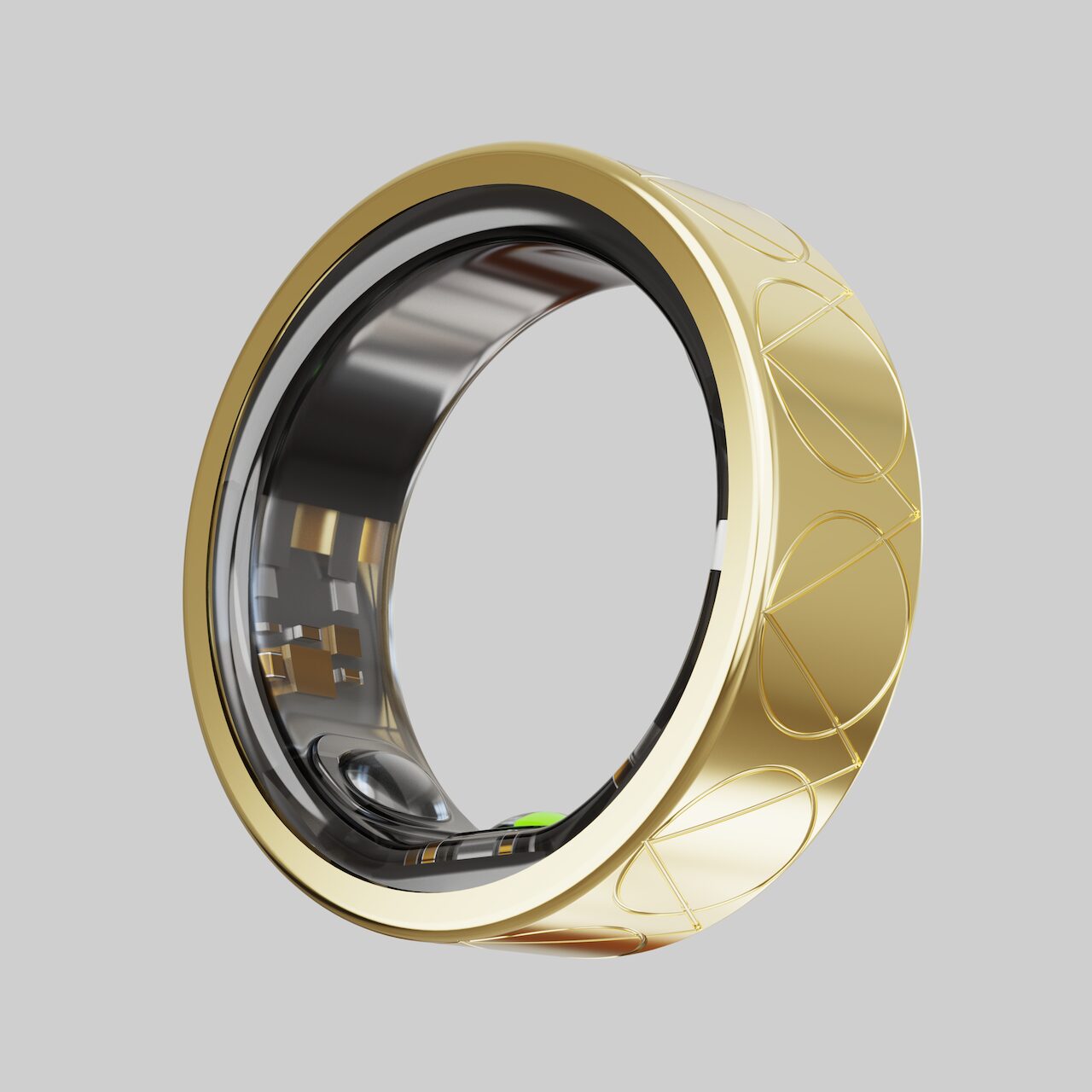
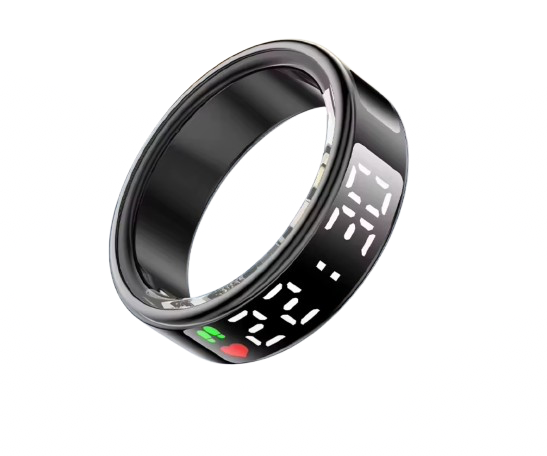
The most significant insight? The rise of the smart ring. Searches for smart rings have spiked significantly over the past 12 months. This shift signals a clear consumer preference: we want health data that feels like a lifestyle upgrade, not a gadget we have to manage.
Why the Smart Ring is Stealing the Spotlight
Why are people swapping their smartwatches for something as small as a ring? The data suggests three primary drivers:
- Form Factor Matters: Many users find smartwatches disruptive—constantly buzzing with notifications. The smart ring offers a “set it and forget it” experience, making it the perfect tool for continuous biometric monitoring (heart rate, HRV, body temperature) without the “always-on” distraction.
- Sleep Tracking Precision: Research shows that users are increasingly prioritizing recovery over intensity. Smart rings, because they don’t have a large screen light disrupting the room, are becoming the gold standard for sleep-stage tracking.
- Style Meets Function: The search data shows an increasing interest in “discreet wearables.” Consumers no longer want their fitness device to look like a piece of plastic hardware; they want it to look like jewelry.
What’s Next for Smart Wearables?
Beyond the form factor, the “intelligence” behind these devices is getting a major upgrade. Research data shows a growing correlation between “wearable tech” and “AI-driven health insights.”
Users are no longer satisfied with just seeing their heart rate; they want their devices to tell them what to do with that data. Expect to see:
- Predictive Health: Wearables that warn you about a potential illness before symptoms emerge based on subtle changes in resting heart rate.
- Contextual Coaching: Instead of generic alerts, AI integration will provide personalized advice based on your recovery score and daily stress markers.
- Clinical-Grade Integration: As sensors become more accurate, we are seeing a bridge forming between consumer devices and medical-grade diagnostics, allowing for better communication between patients and doctors.
If you are considering jumping into the world of health tech or upgrading your current setup, the trend is clear: prioritize data, not screen time.
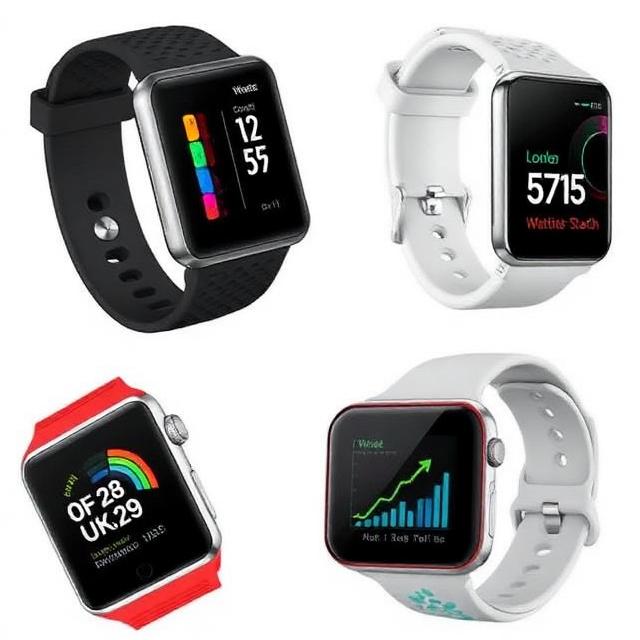
Whether you choose a sleek smart ring for seamless sleep tracking or a high-end smart wearable watch for real-time workout stats, the key is consistency. The best device is the one you’ll actually wear 24/7.
As we look toward the rest of the year, one thing is certain: our devices are becoming quieter, smarter, and much better at telling us what our bodies truly need.